How Compositing Brings Visual Effects to Life
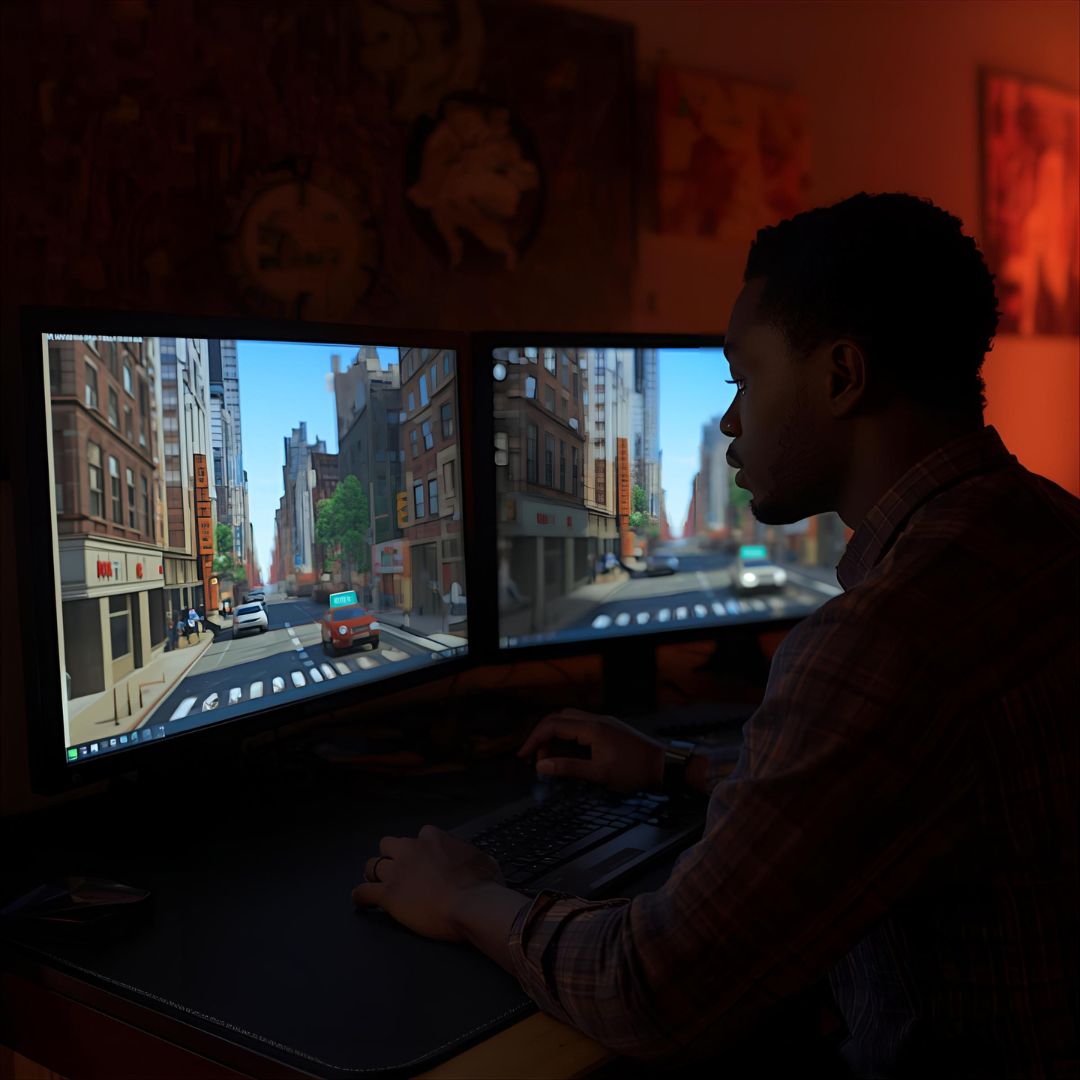
In the world of visual effects, creating a believable final image often requires more than just individual elements like 3D models, live-action footage, or digital environments. This is where compositing comes in—a critical process that blends all these elements seamlessly to craft a cohesive, realistic scene. Without compositing, even the most meticulously created VFX shots can appear disjointed or artificial.
Understanding Compositing
Compositing is the process of combining multiple visual elements from different sources into a single, unified image or sequence. These elements might include live-action footage, CGI, matte paintings, particle effects, or lighting passes. The goal is to make the final scene look as though all components naturally exist within the same environment.
A compositor’s role is both technical and creative. They must ensure correct color grading, perspective, lighting, and shadows so that the combined elements are visually consistent. Beyond technical accuracy, compositing contributes to storytelling, helping to guide the viewer’s attention and evoke the intended mood or emotion.
Key Components of Compositing
Several fundamental techniques are used in compositing:
Layering: Different elements are placed on separate layers and adjusted for transparency, color, and blending modes.
Rotoscoping: Isolating parts of a frame, such as actors or objects, to integrate them into new backgrounds or effects.
Color Correction: Matching color tones across different elements to maintain visual coherence.
Matte Painting Integration: Combining digital or painted backgrounds with live-action footage.
Keying: Removing green or blue screen backgrounds to place actors or objects into a new scene.
Modern compositing software like Nuke, After Effects, and Fusion provide advanced tools for these tasks, enabling artists to achieve a cinematic level of realism.
Why Compositing Is Essential in VFX
Compositing is more than just a final step; it’s central to the visual effects pipeline. Here’s why:
Seamless Integration: It ensures that CGI, live-action, and effects work together believably. A well-composited shot makes the audience forget the artificiality of individual elements.
Control Over Visuals: Compositors can tweak lighting, shadows, and color balance without re-rendering every element, saving significant production time.
Storytelling Power: Through compositing, artists can emphasize key story elements, manipulate focus, or create visual metaphors, enhancing narrative impact.
Flexibility in Post-Production: Changes in timing, visual effects, or camera angles can be adjusted during compositing without revisiting every department.
Without compositing, films, advertisements, and games would struggle to achieve the visual cohesion audiences expect. Think of blockbuster movies where superheroes interact with explosions, environments, and digital doubles—the realism hinges on compositing.
Recent Trends and Innovations
Compositing has evolved rapidly alongside advancements in technology. One major trend is real-time compositing, enabled by powerful GPUs and engines like Unreal Engine. Real-time workflows allow directors and VFX supervisors to see final-look visuals on set, drastically reducing post-production guesswork.
AI-assisted compositing is also emerging. Machine learning algorithms can automatically create masks, isolate objects, and even suggest color adjustments, speeding up workflows and reducing tedious manual tasks. This trend is particularly useful for projects with large volumes of footage or complex multi-layered scenes.
Virtual production, which combines LED volumes, live-action footage, and real-time compositing, has gained traction in major films and series. By merging practical and digital elements on set, filmmakers can adjust lighting and composition dynamically, offering unprecedented creative flexibility.
The Compositing Workflow
A typical compositing workflow begins after all assets—CGI, live-action footage, and visual effects—have been produced. The compositor assembles layers in software, ensuring proper alignment, scaling, and perspective. Color grading harmonizes the different elements, while visual effects like depth of field, motion blur, and particle integration are added.
Throughout the workflow, compositors collaborate closely with animators, lighting artists, and directors. Effective communication ensures that compositing enhances the story rather than merely serving as a technical overlay. Iteration is key—compositing is rarely a one-pass process. Each adjustment may require subtle tweaks to maintain realism and narrative focus.
Compositing in Modern Media
Compositing is no longer limited to high-budget films. It is essential in television, commercials, online content, and even video games. The rise of streaming platforms has increased demand for visually compelling content, pushing studios to produce high-quality VFX at faster rates. This surge has expanded career opportunities for skilled compositors and VFX artists.
In animation, compositing is vital for merging 2D and 3D elements, adding lighting effects, and creating environmental consistency. For example, in hybrid animated films where hand-drawn characters interact with 3D backgrounds, compositing ensures seamless integration.
Learning Compositing and Career Opportunities
With the demand for high-quality VFX growing, cities like Bengaluru have seen an expansion in animation studios and training institutes. Compositing requires a mix of artistic sensibility, technical skill, and software proficiency. Learning to balance these aspects is essential for anyone aspiring to a VFX career.
Studying at a best animation institute in Bengaluru can provide aspiring VFX artists with hands-on experience in compositing, exposure to industry-standard tools, and mentorship from experienced professionals. These programs often include practical projects, simulating real-world production pipelines and giving students the skills needed to succeed in competitive environments.
Conclusion
Compositing is the glue that binds the many layers of VFX into a cohesive, believable image. It is essential for integrating live-action footage, CGI, and digital effects, providing both technical precision and narrative enhancement. Recent advancements, such as real-time compositing, AI-assisted tools, and virtual production, continue to push the boundaries of what is possible, making this field more dynamic and exciting than ever.
For aspiring animators and VFX professionals, enrolling in best 2D animation courses in Bengaluru offers the training and exposure necessary to master compositing, positioning them to thrive in a rapidly growing industry where visual storytelling is increasingly reliant on seamless integration of multiple elements.


